🎨 Crafters, Handcrafted Artisans, and Visual Galleries: When Design and Speed Are Everything
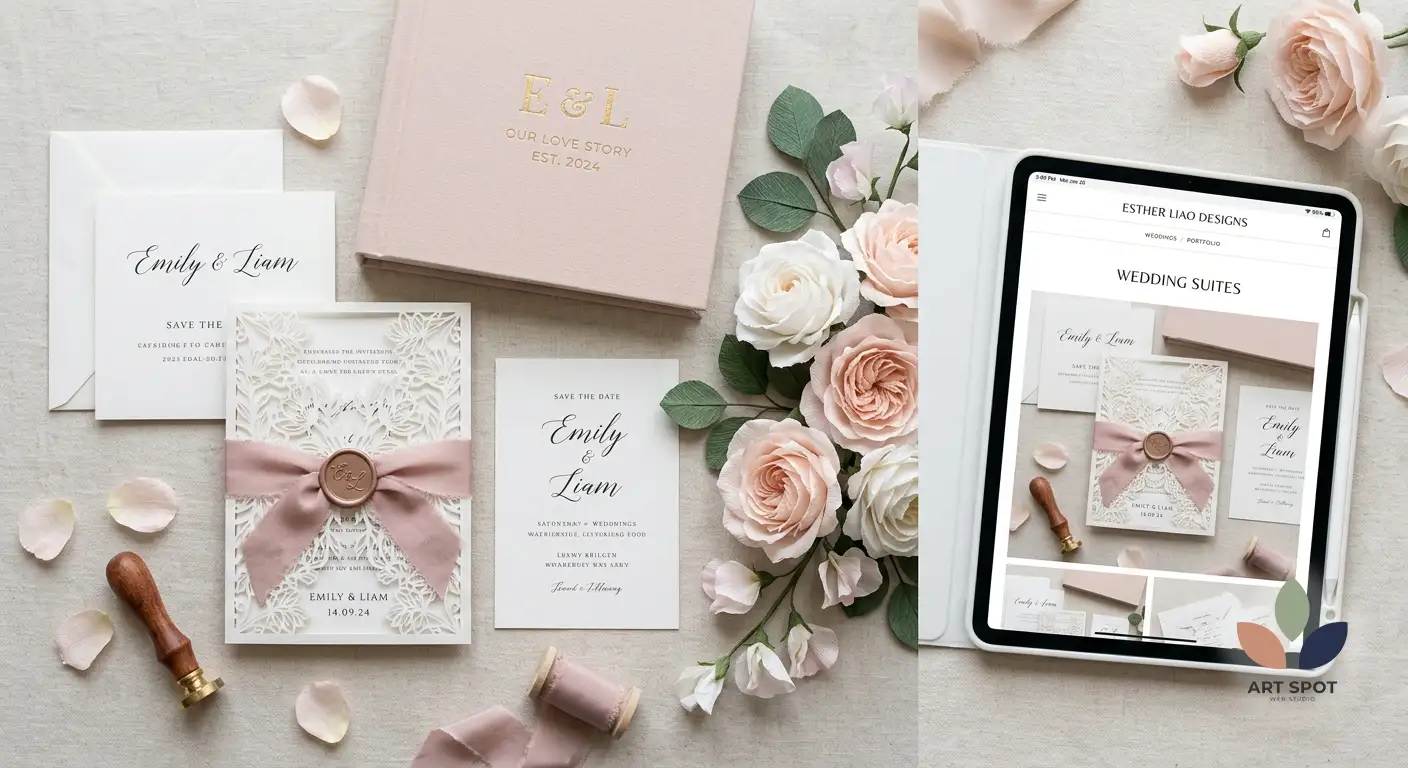
In the fast-paced and highly competitive world of handcrafted items, unique artisanal creations, and applied arts, first impressions are absolutely everything. When it comes to brands selling “soul” and emotion through physical objects, visitors decide whether to trust you in a fraction of a second. Whether you create detailed boutique souvenirs, traditional folk costumes, transform nature into resin jewelry, craft unique greeting cards, invitations, albums, and paper flowers, capture unforgettable moments through your lens, or even produce small-batch artisanal honey, your website is not just an online storefront. It is your digital studio, your face, your personal gallery, and your most vital ambassador to the world.
People who practice crafting and build products with their hands and hearts carry a distinct sensitivity toward aesthetics. They are perfectionists when it comes to visual language, precision in detail, and overall user experience. For such a website to truly work for their brand, it doesn’t need thousands of confusing features, heavy animations, or aggressive marketing pop-ups. The emphasis here falls on two fundamental, intertwined pillars: precise presentation design and lightning-fast loading speed. When these two elements align in harmony, the website stops being mere technology and becomes a genuine experience.
🛑 The Big Misconception: “I Need an E-Commerce Store”
This is perhaps the most common starting point for many artisans. They create beautiful things and immediately conclude: “I need a heavy e-commerce platform to sell.” The truth is, while narodni-nosii.com operates in a specific niche, the principles behind its architecture apply across the entire creative spectrum—from painters and woodworkers to photographers, crochet artists, and paper-craft creators.
Many of these artisans don’t actually need a massive, complex online store (like Amazon or a large retail chain). Why? Because the reality for a small crafting business boils down to two things:
- The Maintenance Problem: A full-featured e-commerce platform demands constant technical maintenance, software updates, inventory management, complex payment gateways, and ongoing security protocols. For a creator who wants to spend their time making art, this turns into endless hours stuck behind a computer screen.
- The Budget Problem: Building a complex shop “off an assembly line” is expensive and often useless in the long run if the creator cannot afford to pay someone else to maintain it constantly.
hat is why the vital message we want to share is this: Often, the most useful and sustainable option for a small crafting business is precisely what we did at Narodni Nosii project. Not a “heavy store,” but a beautiful, unique showcase website that reflects your personal style, the soul of your work, and your craftsmanship. The goal isn’t to automate sales for 10,000 items—it is to reveal why your creation is unique and how a client can connect directly with you to own it.
🖼️ 1. Design as a Digital Frame for Handcrafted Creations
Handmade items possess an intrinsic soul. When presented properly, they speak for themselves. A frequent and critical mistake when building websites for creators is trying to make the site itself visually “louder” than the products it hosts. Complex backgrounds, overly bright interface colors, intrusive animations, busy graphics, and aggressive typography constantly fight for the viewer’s attention instead of directing it to what matters.
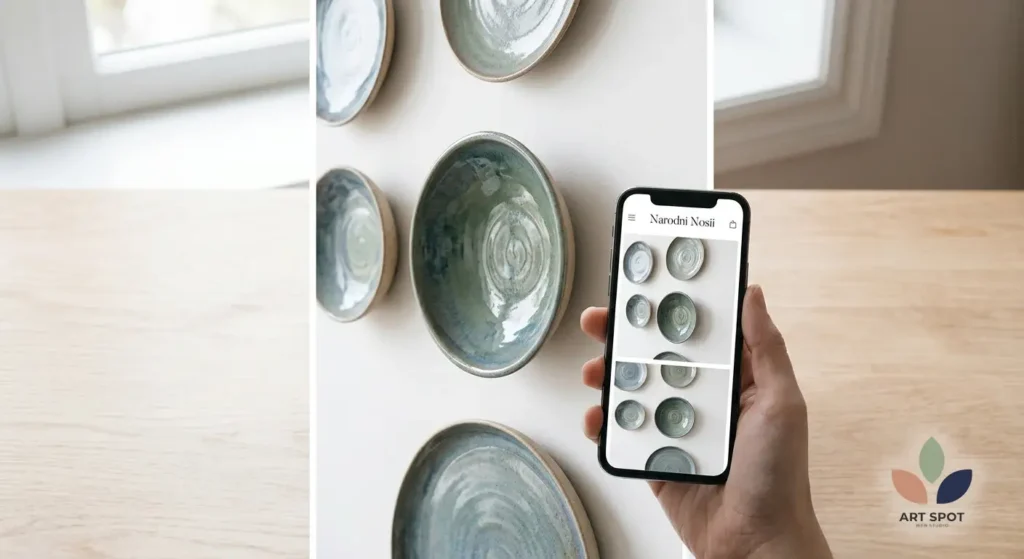
Great web design for artisan brands acts like the perfect mat board around a fine painting—it frames, supports, and elevates the artwork without overshadowing it. The goal is to build a digital environment that highlights the texture, color, and form of your physical creations.
- Typography with Character, but No Excess: Font selection is essential. Products inspired by history and tradition pair beautifully with elegant, classical serif fonts. Conversely, contemporary craft projects, paper crafting, delicate crochet work, and modern photography require a clean, minimalist sans-serif design that keeps the eye relaxed. The key is hierarchy and balance.
- Balanced Color Schemes: Website background colors should remain neutral and understated. Soft whites, warm creams, graphites, or deep charcoal backgrounds allow the authentic colors in your photography to pop. The background is the canvas; your products are the paint.
- Room to Breathe (White Space): Never fear empty space surrounding your images. White space isn’t “wasted real estate”; it is a critical design element that lets the eye rest and focus. Generous breathing room creates the feel of an upscale art gallery and signals high-level professionalism.
⚡ 2. Speed: Why Seconds of Delay Kill Inspiration
What happens when a potential buyer lands on a handcrafted brand’s site and the photos load slowly, row by row? The initial spark fades, and the magic disappears. The client loses patience and leaves, often never to return. Artisan websites are naturally visual-heavy. They feature dozens of high-resolution shots—close-up macros or large, detailed files. These photos are necessary so the buyer can truly appreciate the intricacy of a stitch, the grain of wood, the delicate texture of paper, the shimmer of resin jewelry, or the amber depth of honey.
That is why technical optimization is so critical here:
- No Heavy Page Builders: At Art Spot Web Studio, we steer clear of heavy third-party page builders that bloat sites with unnecessary code. Instead, we use WordPress’s native block editor (Gutenberg) paired with precise, custom-written CSS. While this takes more time and effort on our end initially, it delivers far greater long-term benefits for you. That is how we achieve ultra-fast loading speeds (backed by server-side fine-tuning).
- Modern Image Formats (WebP / AVIF): All uploaded photography should be automatically compressed and converted into modern web formats like WebP or AVIF. These take up to 70% less disk space without any loss in visual quality.
- Lazy Loading: This technique ensures that images further down the page only load as the visitor scrolls down to them, keeping the initial page display instantaneous.
🚫 3. Pure Experience: Enter and Immerse (Zero Distractions)
There is nothing more frustrating than entering an elegant art or artisan website only to be instantly bombarded by three pop-ups, discount banners, flashing chatbots, and aggressive cookie banners. Instead of being immersed in the creator’s world, the user gets dragged into a digital battle for attention.
Crafters want visitors to forget they are staring at a cold glass screen and step right into the workshop. We all know how strict GDPR requirements are—for a long time, it seemed impossible to avoid a consent banner due to remote fonts, video streams, and tracking scripts. So we set ourselves a challenge. It turns out that by engineering a clean site architecture—using minimal self-hosted fonts and assets, and zero third-party tracking cookies—it is entirely possible to launch a site without any cookie banner at all. The result is immediate, frictionless access to your galleries from the very first second.
📱 4. The Gallery as a Fine Art Portfolio
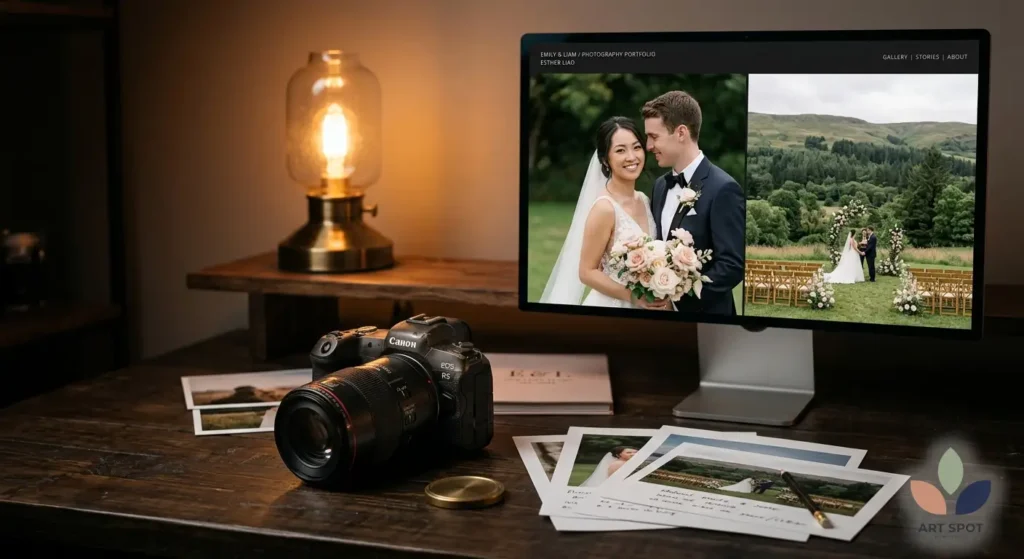
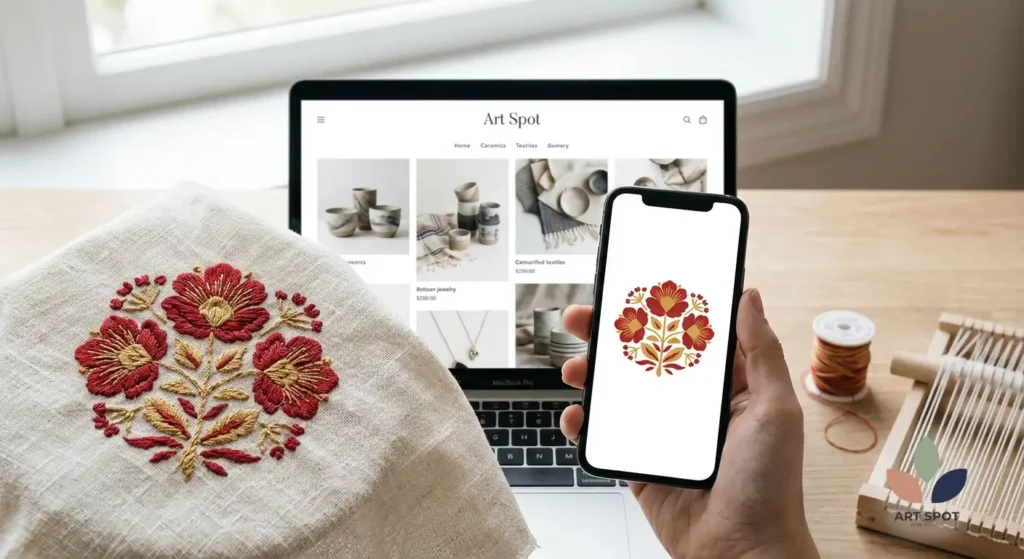
Regardless of your specific craft—whether you work with paper, resin jewelry, ceramics, wood, textiles, crochet, or photography—the gallery is the heart of your website. It shouldn’t feel like a generic product grid in a mass e-commerce store, but rather like a curated luxury catalog or a fine art exhibition.
- Responsive Grids: Your gallery must adapt effortlessly to any screen size. On mobile devices, it should automatically reflow into a smooth, vertical thumb-scrolling stream that maintains visual hierarchy.
- Lightbox Effect: Tapping any photo opens it in high-definition full-screen mode, allowing customers to zoom in and appreciate every thread, stitch, and detail of your handiwork.
🤝 5. Your Website Is Your Digital Home
Social media channels are great for discovery, but they are “rented land.” Algorithms shift, organic reach shrinks, and harsh photo compression flattens the details of your work. Your own website is the one place where you set the rules, control the vision, and curate the experience. When you combine custom branding (from your logo and business card to gift vouchers) with a fast, pristine, and soul-filled website, you aren’t just displaying products—you are building trust, telling a story, and founding a lasting brand. Your art deserves a fitting stage.